For those who’ve wondered what being in hospital 74 days is like…..
It’s waking up in the morning, not because you want to, but because you have people in your room and you only have so long to shower and dress before all the doctors arrive.
It’s not sitting on the toilet seat… for months… because who knows who else has sat there and when it was last cleaned?
It’s not knowing what’s on the menu for that day – or actually, pretty soon it’s knowing EVERYTHING on the menu – ANY day!
It’s finding yourself in a hallway discussing your toiletry habits with a middle aged, black African male nurse, before you realise how institutionalised you have become that it just felt “normal” – “Yes, I’m just racing to have a quick shower, then I’ll be back in the room and we’ll change his nappy to weigh it, strip him down, weigh him, give his morning meds and prepare for the doctors to arrive”.
It’s being woken up all through the night…all the time… with lights on… with nurses being so rough changing your son’s nappy they wake him and you… with monitors alarming and you’re flying out of bed to check them… with nurses shining their cell phone lights in your face… with helicopters coming and going all night… with rubbish trucks slamming over the jutter bars through the night… with cleaners on machinery in the halls at 5:30am… with other screaming children… with nurses putting a hand on your shoulder and startling you awake because they want you to express another 5ml for the next feed which is in three hours, not knowing they just woke up a bear who was in desperate need of sleep…
It’s not knowing how to walk one more situation of conflict with staff who often don’t seem to know the hell what they’re doing… like the nurses who openly admit they haven’t read your son’s notes. They don’t know he is a highly complex cardiac baby and so it’s listening to nurses flood the room looking at his oxygen saturation going, “It shouldn’t be dropping this fast.” And you’re sitting on the bed finally succumbing to tears because you’re freaked out of your mind at their reactions, wondering what’s going wrong – until you find out – hours later – that the nurses didn’t know he was a cardiac baby so put him on oxygen when he never should have been. And you realise in that moment to trust no one. Unless they seem really knowledgeable – and have actually read your son’s information file!
It’s getting used to telling nurses information or instructions – and having the opposite happen… fifteen minutes later.
It’s learning to tell your story… over… and over… and over… again.
It’s learning to speak “medical speak” like you know what you’re talking about… although… pretty soon you do!
It’s talking to eight different specialist teams and realising most of them see YOU as the central point – “What did the cardiac specialists say?” “What did the respiratory specialists say?” You realise it doesn’t matter how overloaded, how overwhelmed, how exhausted or frankly even how terrified of your son’s health you are – you are the central cog seen as the fount of constant information at everyone else’s mercy – you don’t get to choose how often you have these conversations, or when.
It’s learning no time is EVER your own. You don’t control who walks through your room. Whether you like them. Or not. Whether anyone will ever actually ask – “How are YOU?”
You learn not to bother with things like moisturing your hands or flossing in your room at night, because you should only do them if you’re willing to have an audience at a split second’s notice.
It’s hearing things like, “Your son has heart failure. Your son has fluid build up on the lungs. Your son has pneumonia. Your son has combined bronchiolitis, parainfluenza and rhinovirus.”
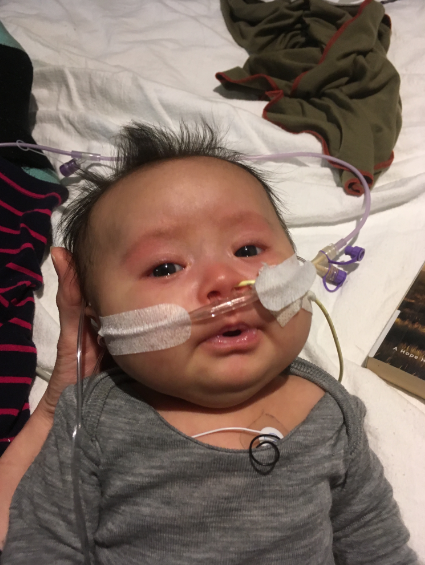
Or my personal favourite – “We’re going to break your son’s bones and stop his heart in heart surgery.” And you stare at your husband, neither of you showing any emotion. Your husband suddenly jumps up to stare at your small, innocent son, struggling on a cot just to survive where he is fed continuously through a nasal gastric tube.
And you know there’s a chance. There is a chance this could be your last night with him. And you can’t even begin to process that.
It’s holding back the tears and emotions until the surgeon leaves the room and knowing the countdown to surgery the next morning has begun.
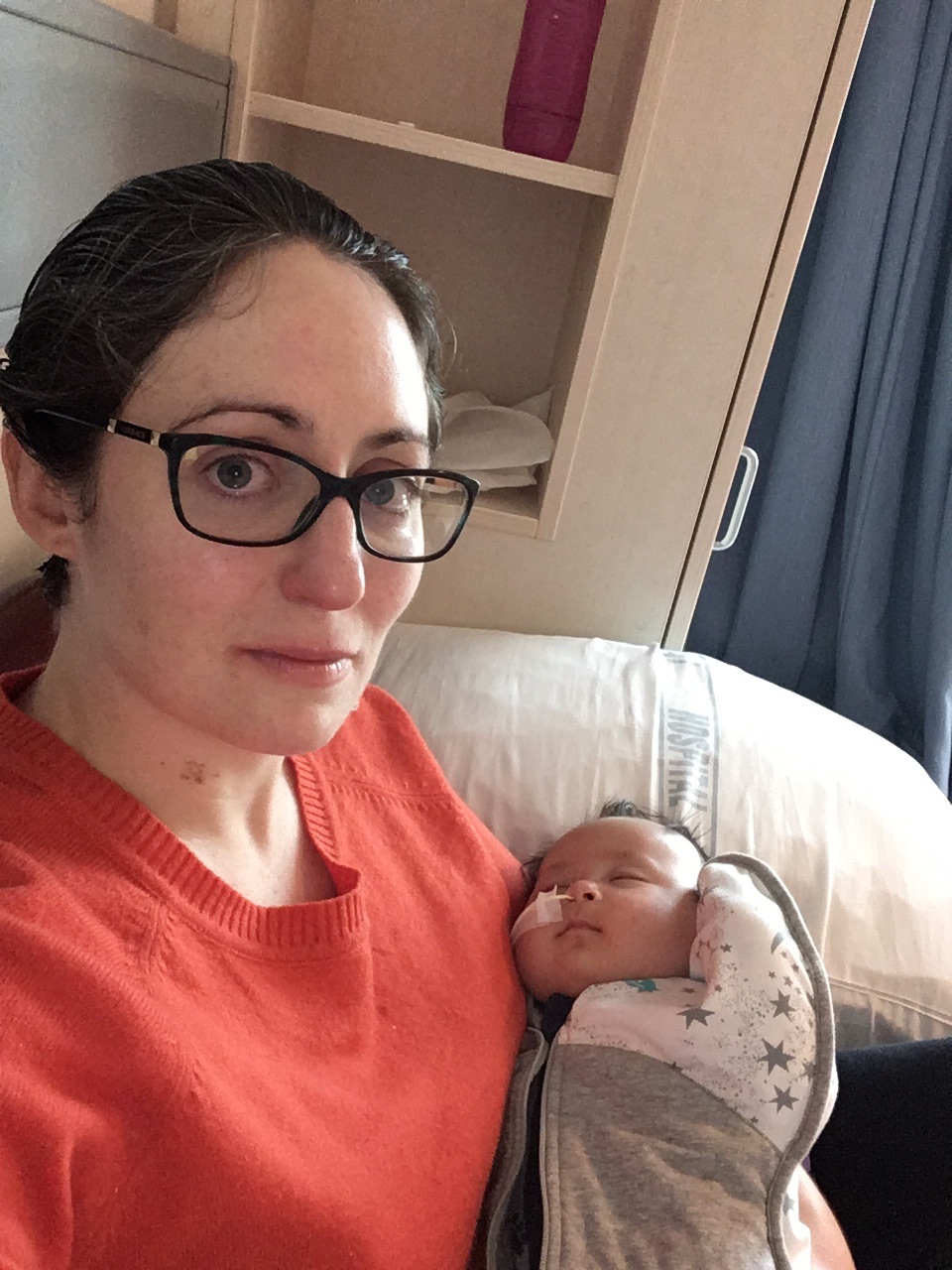
And then –finally – letting yourself breathe… and cry. And then it’s watching while your son vomits bright yellow bile, and the nurse you hate walks in. She sees you, and your son, and flippantly states, “Oh I wouldn’t bother worrying about a little thing like that.”
And you’re staring at her, going “Do you know my son has HEART SURGERY tomorrow?”
“Oh, yes.”
And you have no energy left to care that this woman doesn’t have a clue. And you are so spitting angry at her insensitivity that you have to walk out of the room, and the evening you envisioned of holding your son close and talking to him has just evaporated, because you’re too angry to want to taint your son with your emotions the night before you could lose him. Knowing that any “little thing like that” could change whether your son HAS the life saving surgery in the morning, as so many other “little things like that” have changed the surgery date so far.
It’s the constant terror of not knowing… if your son will survive… if your son that has been SO strong so far, can continue to be strong, when he has given so much already and gone through so much…
It’s wondering for yourself. If YOU can survive this, when YOU have already seen and watched too much.
The 50 odd blood tests. The people squeezing your little’s baby delicate heel like it’s a stress ball, determined to ooze out enough droplets of blood. Then finding they squeezed it TOO hard and the blood separated (don’t ask me) and so they got a false reading… and they have to do it… again… and again… and again.
It’s fleeing the room because you just can’t watch one more traumatic procedure on your son. You can’t comfort him one more time as they hurt him (while trying to help him) because your own heart is breaking in two watching this happen, over… and over… again.
It’s wondering when things will ever get easier.
And finally, not even wondering that anymore.
It’s night-time conversations with God, saying, “I know You’re there. But frankly, I don’t have anything to say to You right now.”
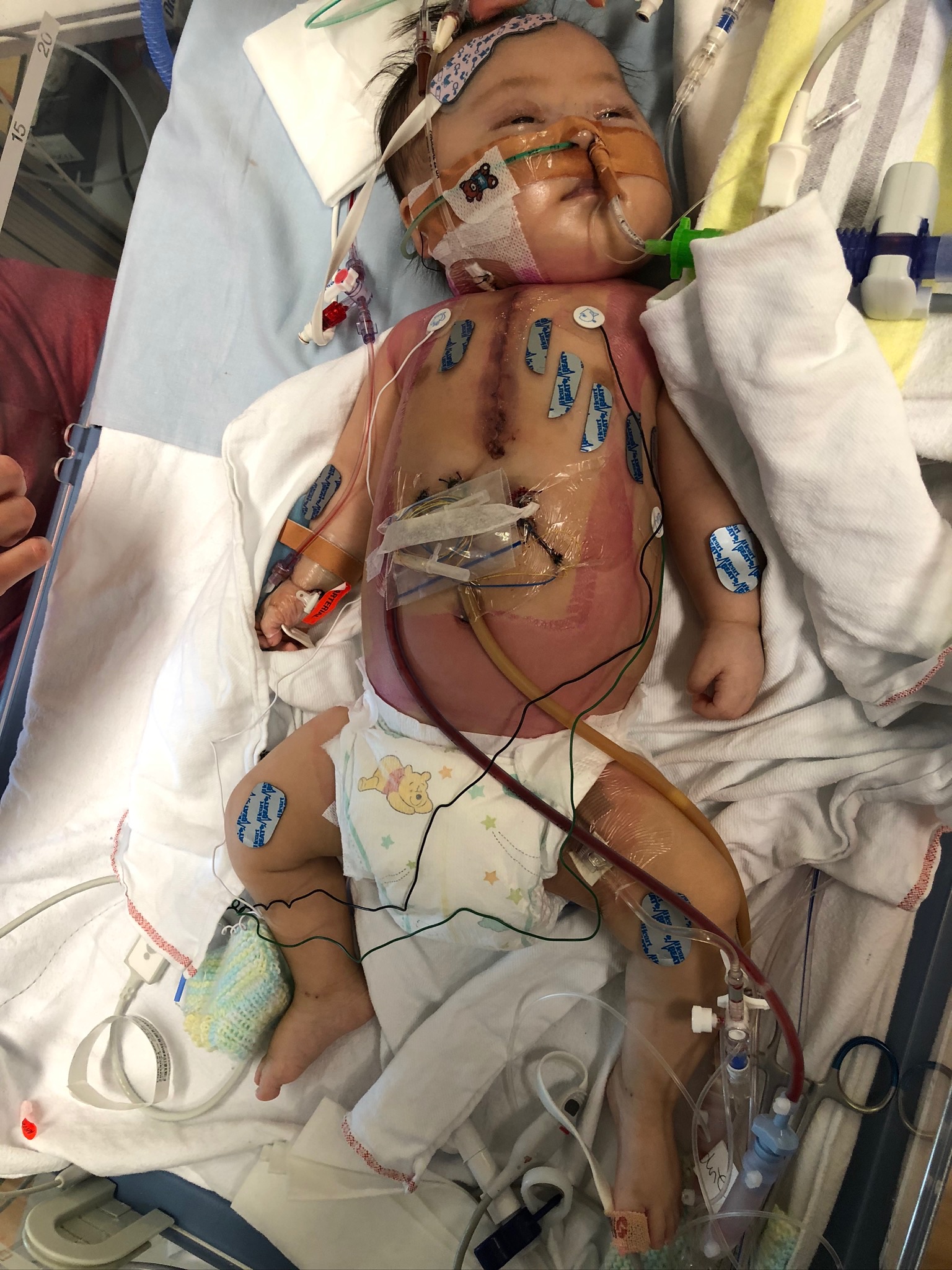
It’s Heaven-flung violent, tear soaked pleas when your son stopped breathing and his oxygen levels dropped to 15/20% POST heart surgery – “God, please, SAVE MY SON!”
And it’s surrender and resignation all in the next breath, whispered – “God… please… save my son. But not my will, but yours be done.”
It’s feeling your heart break, a thousand million times, and not knowing if you will EVER feel whole or the same again.
If you yourself, will EVER recover from what you have seen and what you have walked.
It’s calling your husband as you walk down the corridors, saying, “I know I’ve walked these hallways 50 times already, and twice today alone, but I CAN’T REMEMBER. How do I get to the carpark? My mind is shattering under the load it’s carrying, AND I CAN’T REMEMBER HOW TO GET OUT OF THE HOSPITAL.”
It’s your toddler kicking and screaming in the hallways, yelling at you from the concrete floor, while you realise all the security cameras are watching you, and you look like one hell of an awful mother.
It’s watching your toddler struggle to handle knowing his mother is no longer there for him. It’s silent tears in the night, wishing you could be there to comfort both boys, while knowing you can’t.
It’s realising the impossibility of being there for two boys, who each now live in different suburbs. It’s trying so hard to split yourself in two, to be there for both, that you get sick yourself from the level of strain on you.
It’s looking forward to an afternoon alone of “special time” with your toddler at an indoor playground. Only to find your toddler completely disintegrates and screams at the top of his lungs, hitting his head repeatedly against a rubbish bin. It’s being asked by other mothers, “Do you need help?” And wanting to laugh insanely. But explaining calmly – instead – that you’ve been in hospital for weeks and your toddler is venting all of his fears and anger on you. It’s being let out the fire alarm door and setting off fire alarms because the owner of the establishment is so desperate to get you out of there, and your child is in no state to be carried back through all of the other parents and children.
It’s watching your baby vomit, and vomit, and vomit, and knowing you’ve got to take your screaming toddler to daycare so that you can rush your baby with bronchiolitis back to hospital. It’s watching while your toddler crushes your neck in a stranglehold, pleading and screaming with you, not to drop him off. While your baby waits in the daycare reception in a capsule on a monitor for his breathing and all the instructions you quickly gave were – “If the monitor alarms – call an ambulance.” And once again, it’s feeling your heart severed down the middle. Feeling utterly torn, that you simply can not be there for both boys. It’s handing your toddler over, watching him cry so hard he vomits too. It’s fleeing daycare, ready to utterly and absolutely shatter and cry yourself. And maybe vomit too, it suddenly feels appealing to join the crowd!
And finally, it’s packing yourself back up, mentally and emotionally. Piling all of the emotions, issues, struggles and fears into a little space, stuffing them all in, pushing them down, and straining to close the zip. So you can present… for one more day… that you can do this.
You think.
 Navigating Life's Curveballs
Woww! – that’s so raw, honest and real ….. heartbreaking to read 😢
LikeLike