“I survived.”

I had lofty dreams when I was younger. I wanted God to use me; to be an example to others and to show what God could do through your life when you leapt off the boundaries of your own limitations and ideas and followed him instead.

I had a lot to learn.

These days I observe friends who lament their lack of community. Their desire to join Bible studies. Those around me who demonstrate a strong faith.

I find myself wondering. “How deeply have you been tested?”

Friendship, social connection, loving others, sharing my faith; these were all important values to me.

Until life as I knew it – and expected it – exploded in my face and I felt like I found myself in a battle for life or death.

My war wasn’t on the fields of a battleground. It was inside my own heart and confined to the sterile walls of a hospital and our own home.

When you face one of your own personal nightmares – a pregnancy carrying a child you’re warned may not live, has multiple confirmed disabilities and health issues (and other possible additional ones) and the pressure to end that child’s life, you’re in a fight.

You’re in a fight for what you believe. What value you place on the life inside you, and the deep dreams and desires you had for your own life that are now forced to change? Will you stand firm with your values, or will you fold in the face of a battle and pressure too great to withstand?

Those internal battles stay with me still. We made our choice and I believe it was the right one. We have paid a high price for our choice.

We have also been blessed by our choice.

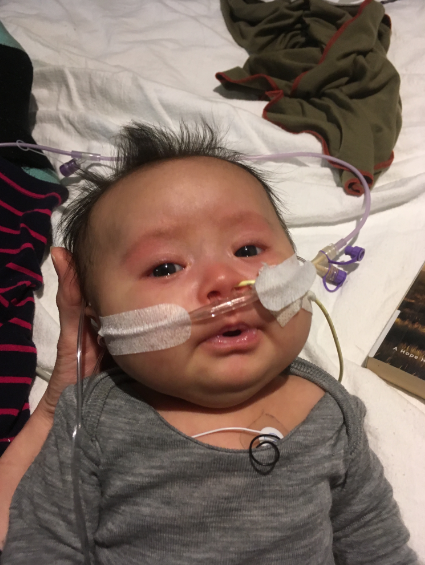
As time goes on, more layers are added to our life and we finally start to get some medical breakthroughs. Having a stomach tube now to feed our son all liquids absolutely saves us. It lifts the daily pressure around drinking and sickness enormously. (Children with disabilities who get a common cold can find tasks like drinking really challenging – they can’t coordinate their suck and swallow reflex when they are very snotty and clogged up. Drinking becomes hazardous as they try not to choke so they avoid it, leading to disastrous outcomes. Put that in the context of a global pandemic and you have a situation of epic internal dilemnas.)

Medication to help calm our son’s behaviour makes life more liveable and eases the strain in our day to day living.

Suddenly his giggles and snuggles become more apparent. His brain development starts to skyrocket in ways we had hoped for but hadn’t really seen until now. Our spirits and our hopes start to rise again. We have hope again.

We still live in a world of what I see as immense disability. We still juggle our son’s lack of hearing or ability to speak; his developmental delays; his regular nappy changes and spoon feeding him purée still for his meals. The list continues.

But I am so grateful life is easing.

I am not the bold, strong Christian I always envisioned and wanted to be. So many times on this battlefield for survival – the bleeding in pregnancy, the premature birth, the heart surgery, the apnoeas, the risk of aspiration from so many vomiting episodes, the brain damage – I have wanted to raise a white flag of surrender. I have cried out for relief and begged for change and found none. I have put one foot in front of the other in constant anguish and struggles of heart as I have sought – and fought – to keep our family together and tried to balance everyone’s needs on so many days when even a common shower was out of my reach.

It has been an uphill battle, the likes of which I can’t begin to describe.

Now as time goes on, I have a chance to reflect. I am not standing on roof tops proclaiming the joys of my faith.

I am instead possibly emerging from the trenches, dirt smeared and eyes ringed with exhaustion, proclaiming;

“I survived.”

I can only speak for myself, but I guess sometimes, for some of us, faith is not a cute exterior that looks beautiful and appealing.

Sometimes faith is a raw, nitty gritty truth that you wrestle with in those times of darkness and very limited hope. When death seems too close and you don’t know if you will be given the choice of keeping your son, or if life and medical issues will steal his life from you prematurely. You are forced to adapt and live within the shadow of that understanding.

When statements come at you from all corners like, “He might not live.” “If there’s lots of handicaps you would be better to terminate.” “If there’s brain damage you would be better to let him die.” “If you do not medicate, he will die a slow and painful death. But if you medicate, we can’t tell you what his outcomes will be.” “Have you considered a ‘do not resuscitate?’”

It alters you. It marks you. Ultimately, it changes you.

I read in Psalm 71:20-21 this morning:

“Though you have made me see troubles, many and bitter, you will restore my life again; from the depths of the earth you will again bring me up. You will increase my honour and comfort me once more.”

I don’t hold myself to the same pedestal of “being an amazing, praise filled Christian” I used to. (I’ll point out my dreams and desires and understanding could have been wrong in the first place). I don’t know if I’ll ever be someone speaking to large groups of people about God and his journey with us.

Now, all I can say as we head into yet another surgery this week, is it feels like the level of the daily struggle is easing. I can start to walk out of the depths, holding my flag, and proclaiming;

“I survived. My family – survived.”

Survival has become the biggest and deepest statement of faith I can make.

For us, that’s a big deal. It’s not something I take lightly.
Building Resilience

So… recently I ended up in hospital myself. After numerous bouts of illness (including Covid, where Cayden caught it from a medical facility and passed it on to the rest of us) my body just didn’t have the resilience it needed to bounce back. I ended up with non stop chest pain for 36 hours, heart inflammation and an increased risk of a blood clot.

Parenting two children, one with complex medical needs, takes it out of you. It is a non-stop, exhausting journey. I was used to a body that could rise above all challenges and push through. As one GP said, I was “burning the candle at both ends – and in the middle.” I could be up at 3am with Cayden heating a bottle, and I would wash a frying pan at the same time because three minutes waiting for a bottle to heat was too many minutes to waste. For probably a year, my goal was simply to have time to shower and get breakfast every day. It was only recently I consistently manage that. I used to say if I had time to moisturise my face, it was because I was on holiday.

Pushing through was my norm. Being utterly exhausted, but still pushing myself up from the couch to *just keep going* was my motto. Cayden wasn’t going to learn how to eat or drink for himself, or recover from brain damage, if I just sat back and did nothing. There wasn’t time for that.

Ending up in hospital myself was a wake up call.

Suddenly my body wasn’t capable of just “pushing through”. Climbing our stairs was enough to bring on the chest pain and have me needing to sit to rest. While my symptoms were mild, I was looking at a couple of months of recovery.

I really struggled. My dreams of pushing through winter so I could take the kids out biking again in warmer months, or taking them to playgrounds and beaches, were dissipating before me. My body wasn’t up to it. Enjoying fresh, healthy meals I had made became a memory for my husband as for a few weeks we relied on meals given by our church, or made by kind and caring family and friends.

I realised I needed to change some things. And I realised no one else was going to change them for me.

I started to take control back. For years my social worker had told me “we were a family of four; where each person has EQUAL value.” I could not keep putting my own needs at the bottom of the pile.

The truth is, I knew I was heading for a crash. But I honestly saw no way around it. I could not do all the appointments for Cayden with ten specialists, put into practice innumerable goals and strategies and ideas at home – while still maintaining a home and having a bright older child to look after and a marriage to keep together  – without eventually crashing. My subconscious goal had just been to get Cayden as far forward as I could, before I crashed!

So now here I was. With a body that was past exhausted, that was deficient in a number of areas, and needed serious TLC.

My husband graciously gave me a lot of time to rest while we went on holiday for a week. I used that time to try and re-train my body in how to sleep. I had been dealing with insomnia since having Cayden. I was always anxious and feeling I needed to be alert and awake through the night hours for whatever medical event or emergency could happen. It was really hard to try and unpack that and try and release my anxiety in order to sleep. But I made slow progress.

I sourced a sleep app to help me.

I saw a naturopath for more herbal support and supplements.

Despite my lack of energy, I realised I needed to substantially invest in replenishing and restoring my body. So I started spending 20 minutes a day preparing myself a salad chock full of goodness (for those interested – spinach or kale with cherry tomatoes, cucumber, capsicum, green beans, avocado, sunflower seeds, almonds, a boiled egg and some Japanese mayo). I made one every day and varied the protein.

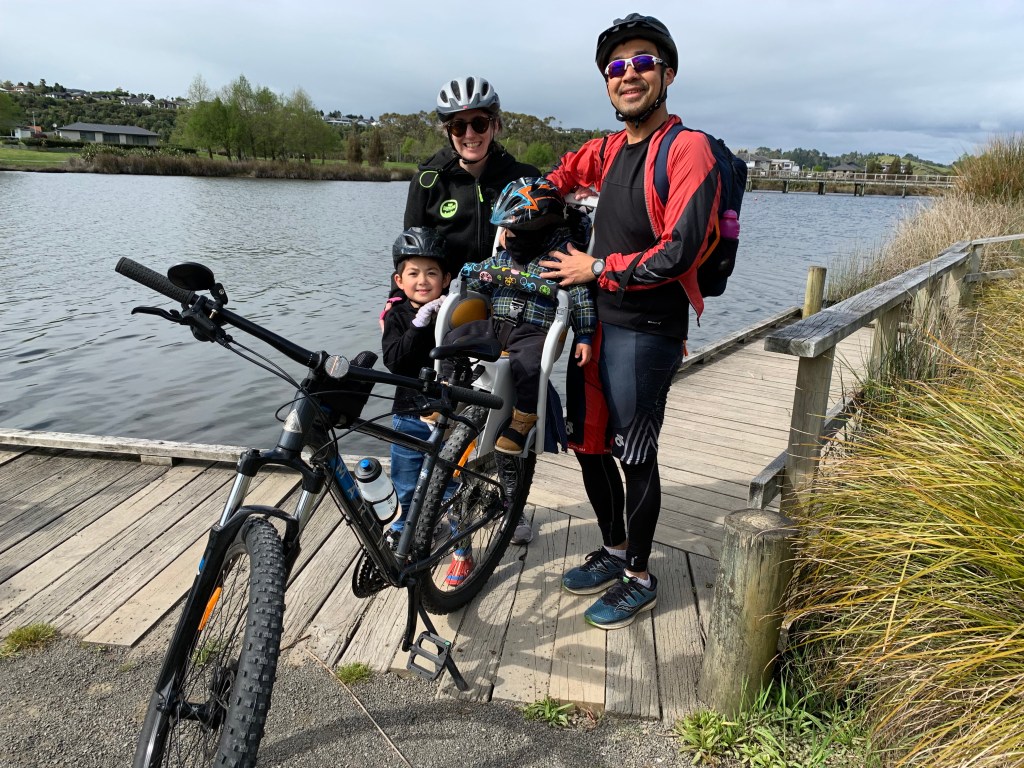
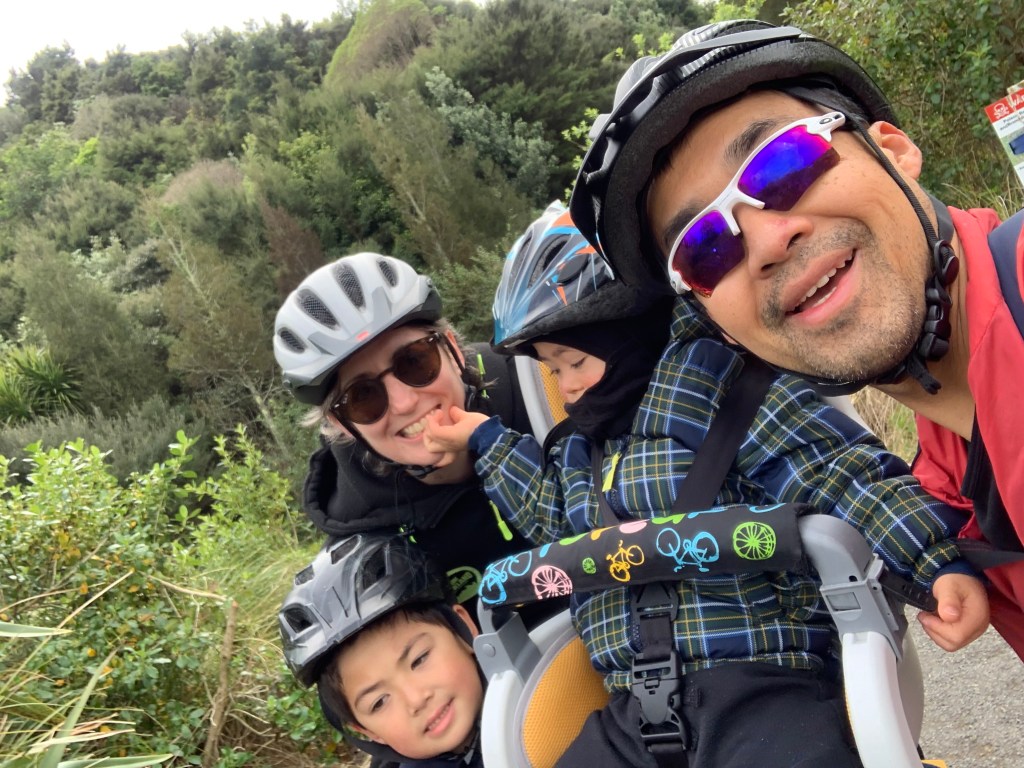
Slowly, enough energy returned for me to take my children on short 2km bike rides. Those moments were beautiful. Being on holiday and able to spend time looking at beautiful scenery as we biked was glorious. My soul was being refreshed as I also looked after my body.

Fast forward a month or so. I have learned some things.

Even while on holiday, my son Luke had bronchitis. A few days after we got back, Cayden was in hospital with pneumonia. The stress was huge as we could not get Cayden to drink or take medicine. Both the hospital staff and myself were worried about trying to do an IV or NG tube for Cayden to rehydrate him. He was panicking and is so strong it would have taken a number of staff to hold him down and force him to have either medical intervention, and he is determined enough to rip everything straight back out. We were all anxious and worried about how to get him through.

Those were stressful days, again, for my husband and I. I asked for prayer from all our friends and at that point things started to shift. But it was hard.

In the two weeks since then, Cayden recovered, and then came down the next weekend with fevers and vomiting. A few days after that, Luke had a fever.

A week later, Luke has a cough and sniffles and I am fighting off a cold.

The amount of sickness we deal with is relentless.

But I’m learning. I’m learning to take sickness in my stride. I’m learning to keep trying to look after myself in the midst of it. I’m learning we can “be sick and do things anyway”.

I’m learning if we let sickness and disabilities define us, we’ll never do anything. So while Luke had bronchitis – we still drove away on holiday. Did Cayden vomit in the car and all over me? Yep. Was it pleasant? Nope. Did we have a good time regardless? Absolutely.

Did we go camping at short notice with no toilet, shower or heating? Yep. Did we manage the challenges of the environment and still have a great time? Definitely.

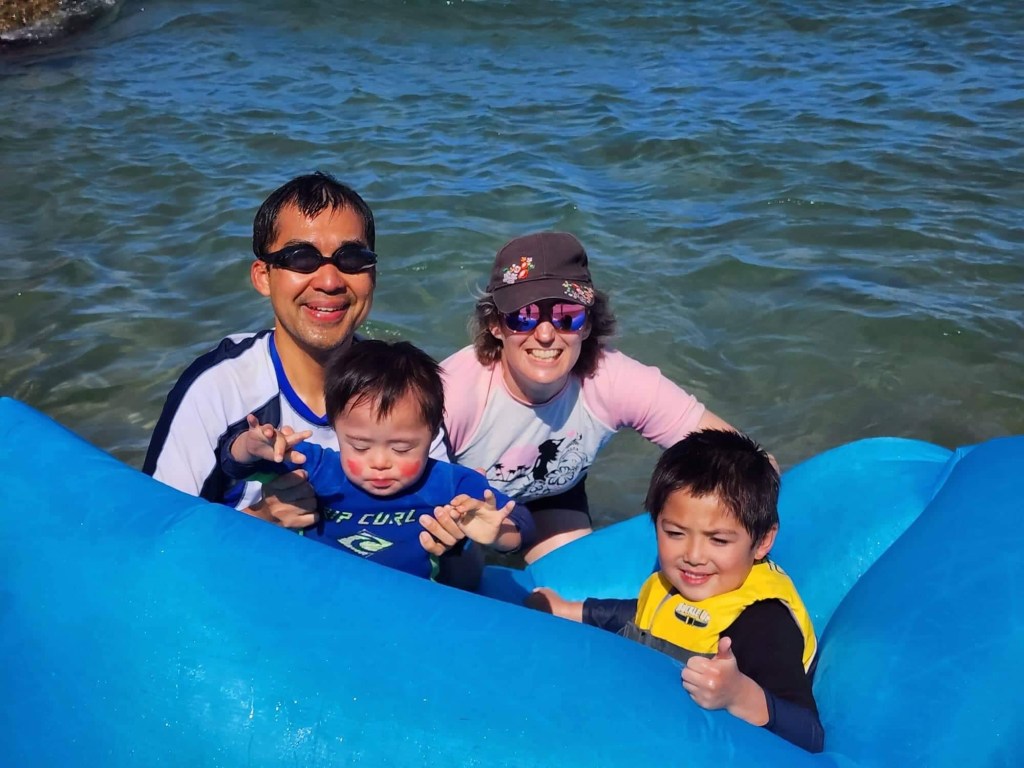
Restoring our souls in nature and having positive family time has been an utter gift. We need it. We need to offset the past few years of non stop medical dramas and the daily grind of bottle feeding and spoon feeding Cayden.

It’s been a breath of fresh air across our souls. And one I am determined to keep doing.

Here’s to living and building resilience, despite the challenges.

Heart Surgery

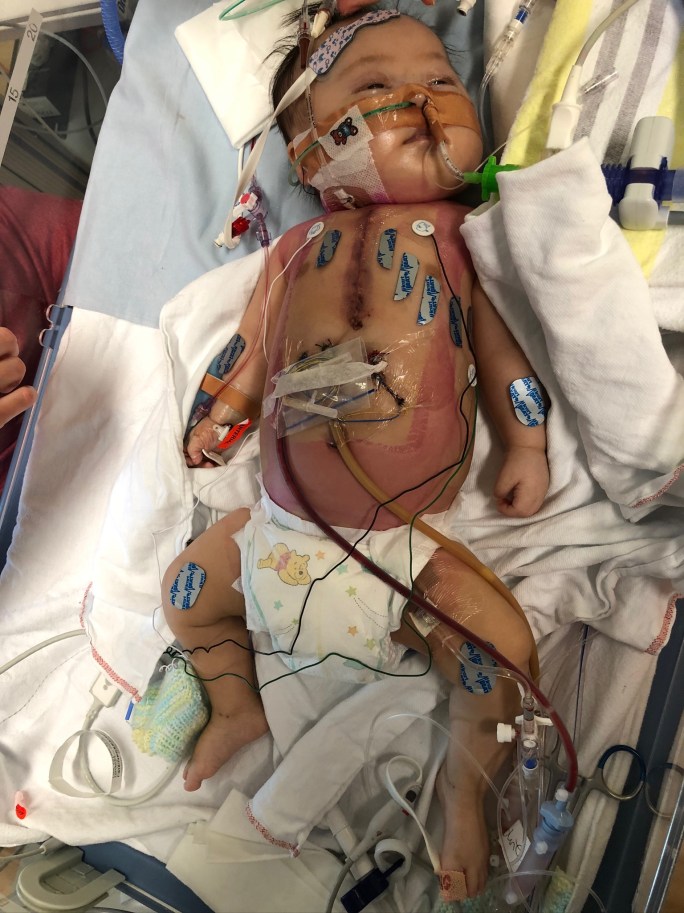
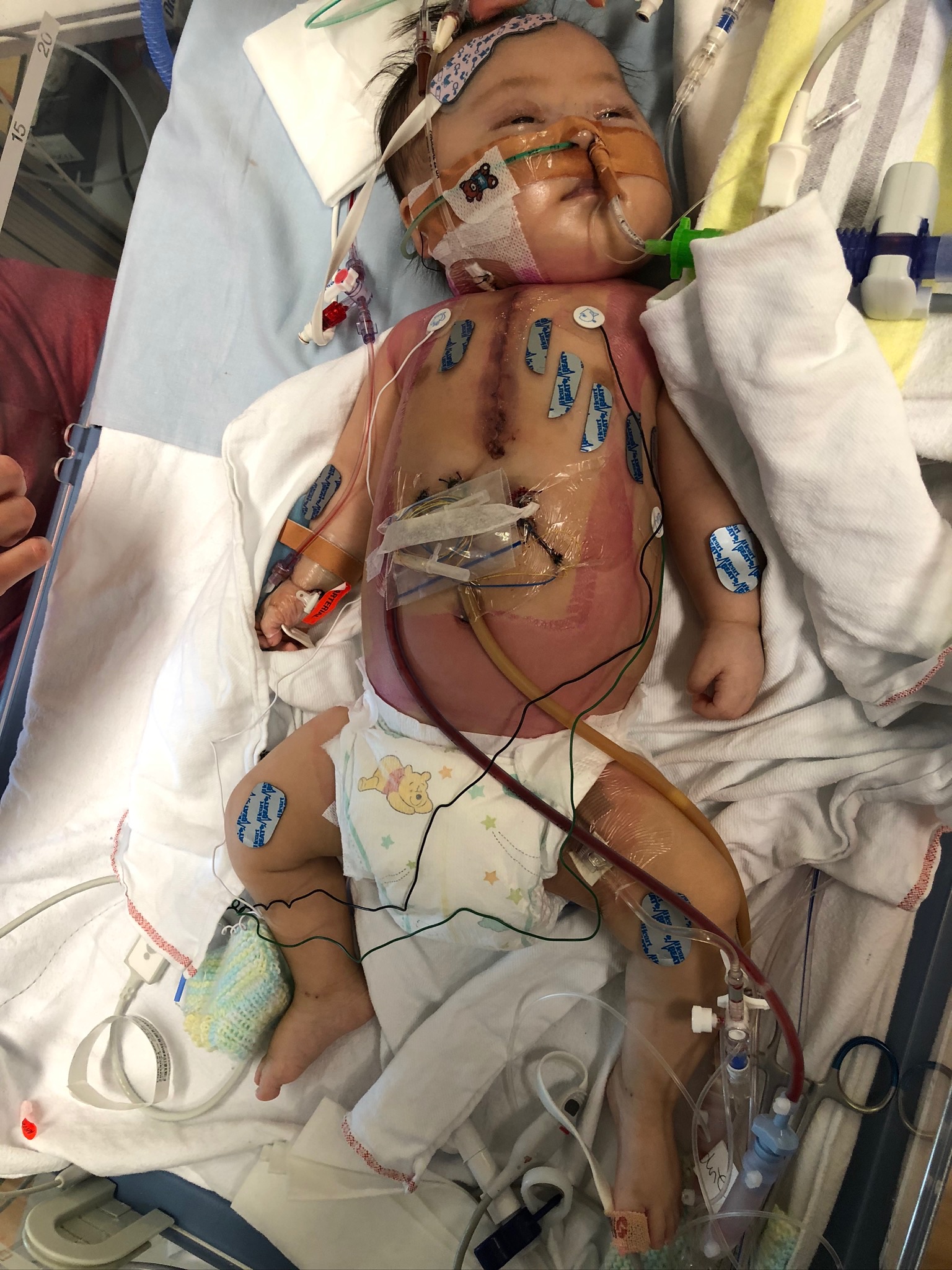
I stare at you lying there

And my heart squeezes painfully

Tubes bursting through your flesh

Bright red with blood

Your small eyes glued shut

I search for any flicker of movement

As I stroke your head

And whisper soft words

It is heart breaking to see you like this

Not moving

Hooked up to so many tubes and wires

I would rather shut my eyes and not look

I hate seeing the glue on your body

Where your skin got sliced open

I hate seeing the proof of your pain

Lying before me

I just want to lift you

And cuddle you close

And let soft tears fall on your cheeks

I love you so

I’m so sorry you’ve been through this

I’m so sorry your heart wasn’t whole

Yet here you live on before us

A little boy with boundless courage

Sweet and gentle

Holding on while your health stood still

Heart failure and pneumonia

Fluid on the lungs

Oxygen taps and bandages and wraps

Yet you carried on

You haven’t lost your zest

Stilled and quiet, yes

But in time I know

Your eyes will open and show

That this journey was worth it

Every tear and moment of pain

Is but a puzzle in a bigger frame

And new journeys now open before you

Life has been restored to you

With a heart newly repaired and whole

You have taught us so much

Little boy lying silently there

You are a treasure we didn’t expect

We would give anything to take your pain away

But it is through your surgery pain

That your heart now beats properly again

We would give anything we can to you

Right now all I have is words

Of how much we love and admire you

Our little heart warrior son.

A Day to Forget

Today has been one of those super crap I-never-want-to-think-about-it-again days. The kind where you mentally flick through how many chocolates, DVDs, warm baths, books – or any combination of the above (or let’s face it – just one of ANY of those would be magic right now!) – it would take to make up for the crap-ness.

It started yesterday. It was our first day out of isolation for Cayden and I from covid. I got a last minute call from the hospital to ask if we could take a cancelled auditory appointment today. Foolishly and under pressure, I agreed. Never mind the fact we were only 24 hours out of a week’s worth of a virus that has forced the world to its knees.

Needless to say, I was exhausted. Before the appointment even arrived I wonder if I was up to more than just manning the children from the couch while they watched TV.

Over dinner last night as I fed Cayden his puree, my husband innocently asked me a question. I paused briefly to rub the exhaustion from my eyes. Cayden saw the opportunity and with a quick flick of his foot saw the entire bowl of puree cascade to the floor and smash. I knelt amongst the puddle of puree as I contemplated yet another lengthy clean up – I had cleaned up the very same section of floor just hours prior from vomit – against the odds of long covid when you don’t get enough rest. What can you do?

I cleaned this latest disaster up and pushed my body to prepare all the items I would need for the morning’s new appointment.

I arrived early. It should have been a good start. In line with turning a new mental leaf, I saw a toy area in the hospital waiting room and actually considered it. After checking with the receptionist about their sanitization policies, I allowed Cayden the greatest (and rarest) gift of all; freedom.

It took him five minutes to exhaust the delights of the toy area. He moved on to swiftly removing his shoes and socks and throwing them on the waiting room floor. Next, he found the stickers. The permanent kind attached periodically to all the seats to enforce Covid distancing between those waiting. Alas, the adhesive was no match for Cayden’s prying fingers. I started chasing my barefoot son around, trying to tell him no, while he gleefully kept peeling them off and I tried to frantically keep replacing them – or better yet, madly dash to the next one he had his eye on first before he could get to it. As the curious eyes of other parents started to track our movements, I made sure to hang my head to avoid eye contact as I sprang around after him.

Time for distraction! I grabbed his bottle and plonked him on my lap for a drink.

Alas, but no. He hustled the bottle and took off to the coffee table he had just been climbing and adeptly started pouring his milk all over it. I edged past another mother with her two sons as I hurried to find a box of tissues to clean up the new mess.

Finally, we were called in. My relief was palpable.

Momentarily.

Imagine my small child strapped to his stroller as they tried to administer various tests. He was determined to squeeze and wriggle and frustrate their processes.

For once, I was too exhausted to care about their struggles. I flopped on the floor and watched them do their job.

He was allowed a ten minute reprieve in the middle, at which point he started peeling papers off their walls, finding their cords and cables and running up and down their corridors with glee. I saw one office worker look up with surprise as my small charge appeared down her end of the private hallways. I heaved him back to my hip apologetically and strode back from where we came.

“Sorry,” I muttered. “It’s really hard to tell him no and have him understand since he had his brain damage. He’s also so excited to be out, he’s been home in isolation for so long…”

My words trailed off meaninglessly.

Back in the appointment and Cayden made quick work of his shoes. Again. One sturdy missile flew it’s way to my head before I registered to duck. It smacked my head before falling to the floor, looking like an innocent shoe and not at all like a dangerous projectile in the hands of my child. I winced in pain. The technicians were concerned and offered me ice. I waved them away. “He does this all the time at home. I get hit in the head every day from him throwing stuff,” I grimaced as I realised how bad that sounded on a parenting level. How do you explain the propensity of downs syndrome children and throwing things?

Eventually the appointment concluded. A quick nappy change was anything but. He wrangled the stroller to be by the bathroom taps, nearly tipping the stroller over in the process (with him in it), and then twitched his fingers around the rubbish bin lid repeatedly, preparing to deep dive into it with his arm. My squeals of frustration fell on deaf ears.

Finally, the bank of elevators. A waiting couple and I each tried to catch the same one. As I checked with the couple if this was going up or down (down was my destination and I was sure the arrow said down but yet it appeared to be going up) I heard a strange alarm sound. I carried on trying to figure out which way we were headed (it shouldn’t have been as hard as it was) when one of the couple politely pointed out to me that my son had his finger on the emergency alarm of the elevator.

He was ringing it.

That was the sound I was hearing.

“Oh!” I cried out. “I just took my eyes off you for a SECOND!”

They exited at their upwards floor then kindly pointed me back the way I had just travelled – down.

In a flurry of craziness we finally got to the carpark. As I prepared to plop him in his car seat, I realised somehow the carseat had become unsecured. Crap. Even beaming lights on my cell phone could not help me figure out where the piece of metal was I was meant to clip it to.

His brother’s car seat opposite it was!

Mission over, I finally got to the front seat where I unapologetically tore into the day-old remains of a donut from yesterday. I had thought as I packed last night I might just need the sugar hit today. True enough.

As I chewed (or inhaled) the partial donut I realised I could not take Cayden straight home where Luke was still isolating with Covid. His behaviour had shown me one thing clearly.

Cayden needed more outings.

I would try the local hardware store. I banged my head on a carpark sign in the mobility bay as I wrestled the stroller out of my boot ready to take him in.

Seriously?! This was starting to feel like a cosmic joke. I rubbed the sore spot on my head. Again.

I eyed the other two children with their grandmother in the indoor playground. The winter weather left me few options. The sound of their coughs carried over to me.

I took a deep breath. And let Cayden inside.

“Oh, look after the little baby!” the grandmother exclaimed to her two as Cayden took off to the slide. I didn’t have the energy to correct her and say he was actually a preschooler.

By the time I got home I was ready for bed. My husband kindly took the kids while I grabbed an hour of rest. I woke up still shattered. Ready to head back to my newly-favoured spot on the couch with a book while the kids watched tv for as many minutes as I could possibly eke out, I arrived downstairs to find… a mess.

Kinetic sand had been ground into the mat, the floor, my soft pink cushions and the whole lounge was in messy disarray. Furniture was moved, toys were everywhere and my sanity had long since fled.

I quietly asked my older son to clean up all the kinetic sand. He made a meagre effort. I asked again. Little happened. I asked a third time.

Then I snapped.

“JUST CLEAN UP THIS SAND!” I yelled as my fists pounded my thighs, not once, not twice, but five times.

His eyes widened in shock. I tore the bag off him as I started piling the sand off the floor back into the bag myself.

Soon he trundled off to play and I was left to get the wet wipes, the vacuum, and the dustpan. (I gave him a lengthy apology later). More than an hour passed.

I was still cleaning up the sand. My throat was sore and my chest was aching painfully from Covid. I knew I was overdoing it. The end seemed nowhere in sight.

I started to sob. Big, noisy sobs as I sat on my haunches and wiped and cleaned. The vaccuum had already run out of battery power; now it was elbow grease. If I was living in a movie, this would have been my breaking point. I would have screamed at the sky, “I GIVE IN! WHAT MORE DO YOU WANT FROM ME?!”

But my life isn’t a movie.

So instead, I stood to take another load of kinetic sand particles to the rubbish while armed simultaneously with one of Luke’s shoes to put away. A moment of tired clumsiness and before I knew it, the dustban had swiped a glass jar of medicine from the countertop and sent it spiraling to the tiles below… ready to smash into thousands of glassy smithereens.

As I watched the black syrup explode out and congeal on the tiles I could have cried.

Except – I already was.

I could have screamed and sworn at the top of my lungs.

I would have really liked to.

Instead, I sobbed harder, grabbed more wet wipes and started to clean up the tiny glass shards.

Two hours passed and I had finished cleaning. My favoured spot on the couch – the one where you can’t see the tv so the kids don’t climb all over me as much – had become the kids new play area. Luke proceeded to upend two boxes of tidied up toys all over that precious, clean spot.

But that wasn’t enough.

He then grabbed Cayden’s trike and proceeded to do noisy wheelies all over the lounge floor. The bean bags made a great landing destination for improvised trike crashes. This is the son with Covid who only tested a strong positive two days ago. As the noise mounted and I winced at what his driving could be like a decade from now, I resigned myself and gave in.

I pulled the earmuffs off their hook in the pantry and stuck them over my ears.

Some days I never want to repeat.

Ever.

Spitting into the Wind

All mothers are heroes. Single mothers are their own breed of “incredible”.

Special needs Mum’s take it to a whole new level again.

I find as time goes on, it gets both easier (in some ways) and tougher in others to raise a child with disabilities. Yes, we have had fewer hospital admissions in the last year. (Hooray!!!) What gets harder is the reactions from others when you have the rare opportunity to unburden your heart about your day to day struggles. When you try to tell people about the accumulation of stress, trauma and exhaustion all piled on top of each other – you are met with confusion and misguided positivity. “But – your son is doing so much better now! Look at everything he’s achieved!”

They’re not wrong. The difficulty is, they’re not looking below the surface. Yes, your child may be excelling. But how did he get there? Who’s effort was the constant wind behind their back pushing them to achieve normal but – in their case- challenging milestones?

Every special needs parent (or complex medical needs parent, in my case – there is a very strong distinction I find now) knows the eye watering challenges, sacrifices, loss of their own identity and incessant pouring of their own energy into the ones they love. They will be familiar with the concept of having nothing left to give but the medical appointments don’t stop. Their child’s medical emergency won’t wait. They will know what it’s like to be in pain within their own body but to not even care about that. Their child’s needs are far more pressing.

In a world where it is sometimes hard to laugh, there is one failsafe to inciting hysterical mirth. Anyone that says to you unknowingly, “What do you do to relax or look after yourself?” almost deserves the bark of laughter that escapes. Don’t get me wrong, it’s a very caring question, said from a heart of concern.

But it exposes something uncomfortable to me starkly. The person asking does not live in my world. They do not live in a world of complex medical needs, where any mother gets piled with task list after task list from each of the many medical professionals involved in her child’s care.

That is why I call special needs Mum’s super heroes. They have to keep their household (and any other children) functioning, they have to front up to endless medical appointments, they need to cook dinner and do all those “usual” Mum tasks, while being a full time caregiver of a child who should have long ago left babyhood behind. For many of these Mum’s, it is a lifetime commitment of an adult-child who still has toddler or infant capabilities.

I had to reassure Cayden’s new Education Support Worker (ESW) this week. When his Advisor of Deaf Children specialist came into his daycare and started giving all her suggestions, it started to raise questions for the ESW. (Who is also the daycare manager, and is studying to become a skilled Early Intervention Teacher herself). “Do we really have to do all this, Karen? Is it necessary?” she asked me.

I smiled at her with pity. “What you’ll learn is that every specialist has tunnel vision. They are all only interested in their one area of medical expertise they hold. Very, very few will ever look at the broader picture and what is involved for the family as a whole, bigger unit. We try to do everything each one suggests, but at the same time, you can only do what you can do.” It was an affirming feeling, to have someone else join my world and balk at one of the first appointments they were involved in and the attached “developmental task lists”. I didn’t bother saying I couldn’t count how many hundreds of these such things I had encountered.

What people living in a “normal” universe often don’t understand is the level of pressure on special needs Mum’s. Every mother wants the best for her child. Every mother is driven for the best outcomes for her child.

But not every mother is still trying to teach her child basic survival skills years on – how to eat or consume any food themselves, how to safely drink anything for themselves, how to dress themselves, or how to toilet them. Each of these skills can take hundreds of hours to teach for a child with disabilities. There is an inherent sense of pressure for a special needs Mum. “If only I could do that *one task* more, my child might have a better outcome. Maybe the gap between them and their peers wouldn’t be so large.”

It becomes an unending, driving force.

Now think about if there are numerous *one more task* scenarios for numerous critical outcomes. How would you choose which to prioritize?

Can you choose? Or do you, like me, try to do all of them simultaneously – but at least weight them in order of importance?

It drives special needs mothers right into heightened states of anxiety, burn out and levels of exhaustion that is hard to imagine. I could go into the weeks, months or years some mothers endure of hospital stays with disrupted sleeps, traumatic medical procedures, widening levels of expectations and tasks – but the reality is simple.

It is a life long task, and it is not easy.

Anyone that looks at you and thinks that because your child has made progress in whatever areas and therefore you should be suddenly “okay” has not truly visited your world.

The stress is cumulative. The trauma is cumulative. There is almost never time to cry. There is almost never time to grieve the life you thought you would have. You live in this world – you don’t get to leave it and reassure yourself the other world of “normality” still exists.

Then there is mother guilt. If you acknowledge your grief and sadness over this new, special needs life, are you disloyal to your child? Would some people think you didn’t love your child? Heck no. We all love our children fiercely. We champion them fiercely.

But who champions us?

Those are the moments where I feel like I am spitting into the wind. I am crying out for people to hear the difficulties and just let me have a listening ear and a warm hug to cry within. I often say dryly the only people I get to talk to are those paid to be in our world medically. Trouble is, those people don’t give you hugs. They are also slaves to the clock.

Most people I encounter outside of our medical world want to minimize our struggles and brush it away. I’m sure it’s not intentional. They don’t live in this complex medical needs world. And I know that’s true, because I didn’t use to live here, either, and I intimately know the difference between the two.

Next time you see a super-hero special needs Mum, give her a hug. Even if she looks “okay” on the outside. There is probably a wealth of struggles, fears and worries underneath the surface that she is too out of touch with for her to be even aware of.

For others of us, who find ourselves on the brink of coping under the weight of medical “task lists” sometimes – that hug and brief moment of normal, standard, and so very rare social connection – can be a lifeline.

A Fresh New Tomorrow

You told me it would be OK

I trusted you

But I didn’t see

The path you had ahead for me
.

Had I seen even a glimpse 

Of the heartache ahead

I would have turned and run

And not stayed instead
.

I had no idea

Of the perils ahead

The anguish, the isolation 

The misunderstanding 
.

I didn’t know

I would fight

Almost to the end 

For my son’s life
.

I didn’t know I would cry out to you

Too many times

On the motorway 

Driving to hospital
.

It will be OK, you said. 

I’ve got you. 

Many times I threw questions at you

And hatred and blank stares
.

I shut down my heart to you

Because it was too hard

And I felt abandoned by you
.

I thought being held

Meant sunshine and daisies 

Not nightmares and a whole lot of crazies
.

I still don’t know

How to relax in the rainbow

How to relax in the promise
.

That though I walk through the valley of the shadow of death

Your rod and your staff comfort me

I will fear no evil

For you are with me.
.
 

I’m starting to learn

That it will be OK

Doesn’t mean a life of ease

And simple answers
.

But rather a grit

A determination 

That despite the odds 

Giving up is not an option
.

So God I ask you

To remove the pain, the memories

Of moments I’d rather forget

Of heartbreak and anguish 
.

When I questioned your light

Your kindness

Your goodwill

And even your existence
.

I ask you God 

To bring good out of what was meant for evil

To bring healing from where wounds have struck

To bring hope instead of mourning 
.

I pray for a new day

Where light shines forth

And good conquers all

Where those who sow in tears

Will reap with songs of joy
.

Because only those who have walked such pain know

How deep the depths of sorrows go

And how very much they need

A fresh new tomorrow.
.

This poem speaks to the season of Cayden’s brain damage. It was the most challenging season I have ever walked. We didn’t know if our son would ever engage with us again, yet we had to faithfully continue to look after him, feed him, give him medicines, be up 12 times a night with him – not knowing if it would ever change and if we could sustain that kind of life long term. It raised a lot of faith questions for me.
After coming through that season, I became desperate to emotionally separate from it. To be able to let those moments go and find a fresh, new tomorrow – one that is not weighted down by the agonising memories of yesterday.

When hospital becomes your home

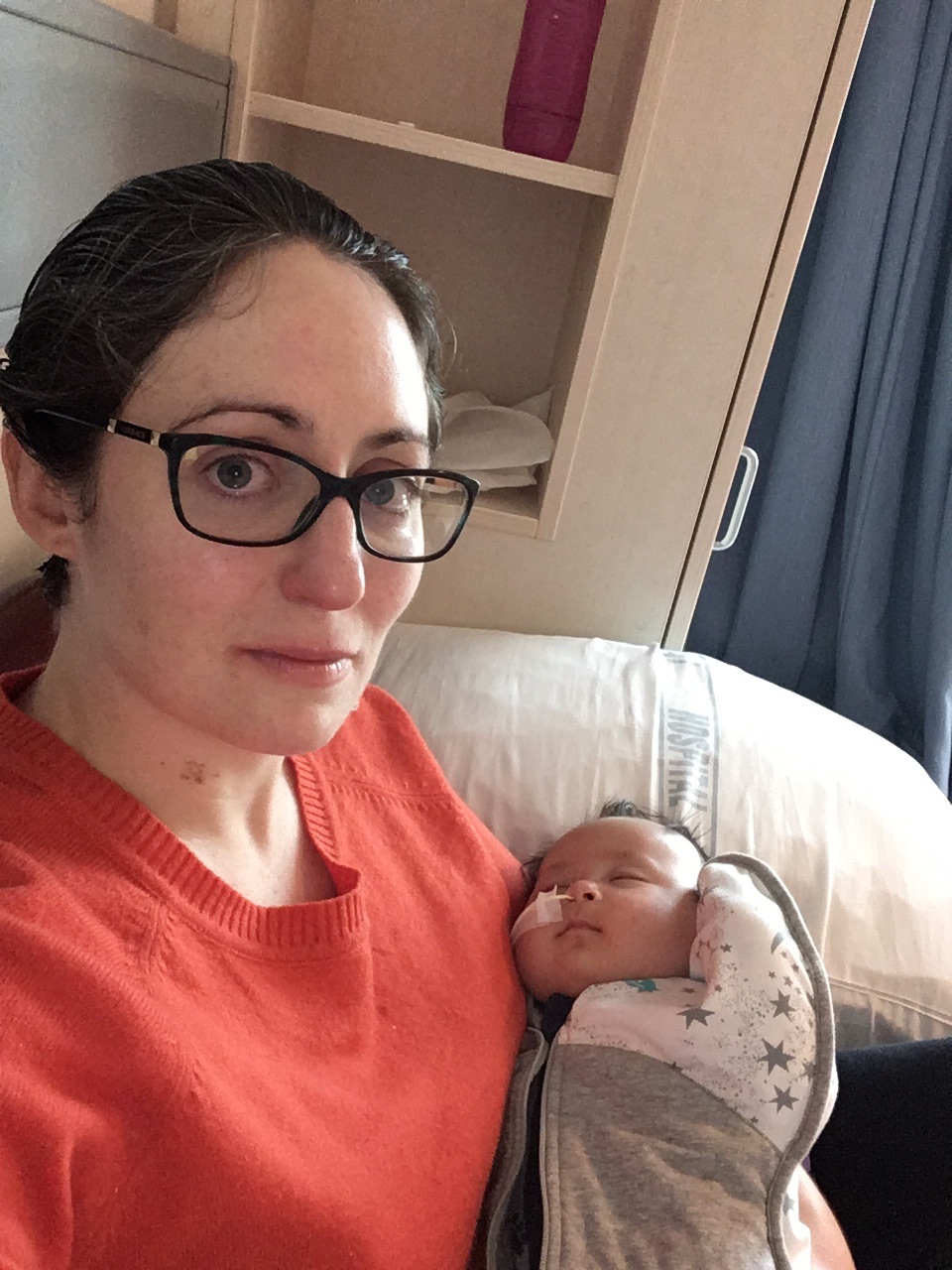
For those who’ve wondered what being in hospital 74 days is like…..

It’s waking up in the morning, not because you want to, but because you have people in your room and you only have so long to shower and dress before all the doctors arrive.

It’s not sitting on the toilet seat… for months… because who knows who else has sat there and when it was last cleaned?

It’s not knowing what’s on the menu for that day – or actually, pretty soon it’s knowing EVERYTHING on the menu – ANY day!

It’s finding yourself in a hallway discussing your toiletry habits with a middle aged, black African male nurse, before you realise how institutionalised you have become that it just felt “normal” – “Yes, I’m just racing to have a quick shower, then I’ll be back in the room and we’ll change his nappy to weigh it, strip him down, weigh him, give his morning meds and prepare for the doctors to arrive”.

It’s being woken up all through the night…all the time… with lights on… with nurses being so rough changing your son’s nappy they wake him and you… with monitors alarming and you’re flying out of bed to check them… with nurses shining their cell phone lights in your face… with helicopters coming and going all night… with rubbish trucks slamming over the jutter bars through the night… with cleaners on machinery in the halls at 5:30am… with other screaming children… with nurses putting a hand on your shoulder and startling you awake because they want you to express another 5ml for the next feed which is in three hours, not knowing they just woke up a bear who was in desperate need of sleep…

It’s not knowing how to walk one more situation of conflict with staff who often don’t seem to know the hell what they’re doing… like the nurses who openly admit they haven’t read your son’s notes. They don’t know he is a highly complex cardiac baby and so it’s listening to nurses flood the room looking at his oxygen saturation going, “It shouldn’t be dropping this fast.” And you’re sitting on the bed finally succumbing to tears because you’re freaked out of your mind at their reactions, wondering what’s going wrong – until you find out – hours later – that the nurses didn’t know he was a cardiac baby so put him on oxygen when he never should have been. And you realise in that moment to trust no one. Unless they seem really knowledgeable – and have actually read your son’s information file!

It’s getting used to telling nurses information or instructions – and having the opposite happen… fifteen minutes later.

It’s learning to tell your story… over… and over… and over… again.

It’s learning to speak “medical speak” like you know what you’re talking about… although… pretty soon you do!

It’s talking to eight different specialist teams and realising most of them see YOU as the central point – “What did the cardiac specialists say?” “What did the respiratory specialists say?” You realise it doesn’t matter how overloaded, how overwhelmed, how exhausted or frankly even how terrified of your son’s health you are – you are the central cog seen as the fount of constant information at everyone else’s mercy – you don’t get to choose how often you have these conversations, or when.

It’s learning no time is EVER your own. You don’t control who walks through your room. Whether you like them. Or not. Whether anyone will ever actually ask – “How are YOU?”

You learn not to bother with things like moisturing your hands or flossing in your room at night, because you should only do them if you’re willing to have an audience at a split second’s notice.

It’s hearing things like, “Your son has heart failure. Your son has fluid build up on the lungs. Your son has pneumonia. Your son has combined bronchiolitis, parainfluenza and rhinovirus.”

Or my personal favourite – “We’re going to break your son’s bones and stop his heart in heart surgery.” And you stare at your husband, neither of you showing any emotion. Your husband suddenly jumps up to stare at your small, innocent son, struggling on a cot just to survive where he is fed continuously through a nasal gastric tube.  

And you know there’s a chance. There is a chance this could be your last night with him. And you can’t even begin to process that.

It’s holding back the tears and emotions until the surgeon leaves the room and knowing the countdown to surgery the next morning has begun.

And then –finally – letting yourself breathe… and cry. And then it’s watching while your son vomits bright yellow bile, and the nurse you hate walks in. She sees you, and your son, and flippantly states, “Oh I wouldn’t bother worrying about a little thing like that.”

And you’re staring at her, going “Do you know my son has HEART SURGERY tomorrow?”

“Oh, yes.”

And you have no energy left to care that this woman doesn’t have a clue. And you are so spitting angry at her insensitivity that you have to walk out of the room, and the evening you envisioned of holding your son close and talking to him has just evaporated, because you’re too angry to want to taint your son with your emotions the night before you could lose him. Knowing that any “little thing like that” could change whether your son HAS the life saving surgery in the morning, as so many other “little things like that” have changed the surgery date so far.

It’s the constant terror of not knowing… if your son will survive… if your son that has been SO strong so far, can continue to be strong, when he has given so much already and gone through so much…

It’s wondering for yourself. If YOU can survive this, when YOU have already seen and watched too much.

The 50 odd blood tests. The people squeezing your little’s baby delicate heel like it’s a stress ball, determined to ooze out enough droplets of blood. Then finding they squeezed it TOO hard and the blood separated (don’t ask me) and so they got a false reading… and they have to do it… again… and again… and again.

It’s fleeing the room because you just can’t watch one more traumatic procedure on your son. You can’t comfort him one more time as they hurt him (while trying to help him) because your own heart is breaking in two watching this happen, over… and over… again.

It’s wondering when things will ever get easier.

And finally, not even wondering that anymore.

It’s night-time conversations with God, saying, “I know You’re there. But frankly, I don’t have anything to say to You right now.”

It’s Heaven-flung violent, tear soaked pleas when your son stopped breathing and his oxygen levels dropped to 15/20% POST heart surgery – “God, please, SAVE MY SON!”

And it’s surrender and resignation all in the next breath, whispered – “God… please… save my son. But not my will, but yours be done.”

It’s feeling your heart break, a thousand million times, and not knowing if you will EVER feel whole or the same again.

If you yourself, will EVER recover from what you have seen and what you have walked.

It’s calling your husband as you walk down the corridors, saying, “I know I’ve walked these hallways 50 times already, and twice today alone, but I CAN’T REMEMBER. How do I get to the carpark? My mind is shattering under the load it’s carrying, AND I CAN’T REMEMBER HOW TO GET OUT OF THE HOSPITAL.”

It’s your toddler kicking and screaming in the hallways, yelling at you from the concrete floor, while you realise all the security cameras are watching you, and you look like one hell of an awful mother.

It’s watching your toddler struggle to handle knowing his mother is no longer there for him. It’s silent tears in the night, wishing you could be there to comfort both boys, while knowing you can’t.

It’s realising the impossibility of being there for two boys, who each now live in different suburbs. It’s trying so hard to split yourself in two, to be there for both, that you get sick yourself from the level of strain on you.

It’s looking forward to an afternoon alone of “special time” with your toddler at an indoor playground. Only to find your toddler completely disintegrates and screams at the top of his lungs, hitting his head repeatedly against a rubbish bin. It’s being asked by other mothers, “Do you need help?” And wanting to laugh insanely. But explaining calmly – instead – that you’ve been in hospital for weeks and your toddler is venting all of his fears and anger on you. It’s being let out the fire alarm door and setting off fire alarms because the owner of the establishment is so desperate to get you out of there, and your child is in no state to be carried back through all of the other parents and children.

It’s watching your baby vomit, and vomit, and vomit, and knowing you’ve got to take your screaming toddler to daycare so that you can rush your baby with bronchiolitis back to hospital. It’s watching while your toddler crushes your neck in a stranglehold, pleading and screaming with you, not to drop him off. While your baby waits in the daycare reception in a capsule on a monitor for his breathing and all the instructions you quickly gave were – “If the monitor alarms – call an ambulance.” And once again, it’s feeling your heart severed down the middle. Feeling utterly torn, that you simply can not be there for both boys. It’s handing your toddler over, watching him cry so hard he vomits too. It’s fleeing daycare, ready to utterly and absolutely shatter and cry yourself. And maybe vomit too, it suddenly feels appealing to join the crowd!

And finally, it’s packing yourself back up, mentally and emotionally. Piling all of the emotions, issues, struggles and fears into a little space, stuffing them all in, pushing them down, and straining to close the zip. So you can present… for one more day… that you can do this.

You think.